In summer, Mallorca is one of the most beautiful yachting bases in the Mediterranean — and at the same time one of the most confusing. More than fifty marinas, hundreds of charter yachts of wildly varying quality, and price ranges that run from sensibly calculated to absurd. Anyone chartering a yacht here for the first time tends to see the glossy photos quickly, but rarely the honest assessment. That's exactly where I begin.
Who charters what — and why
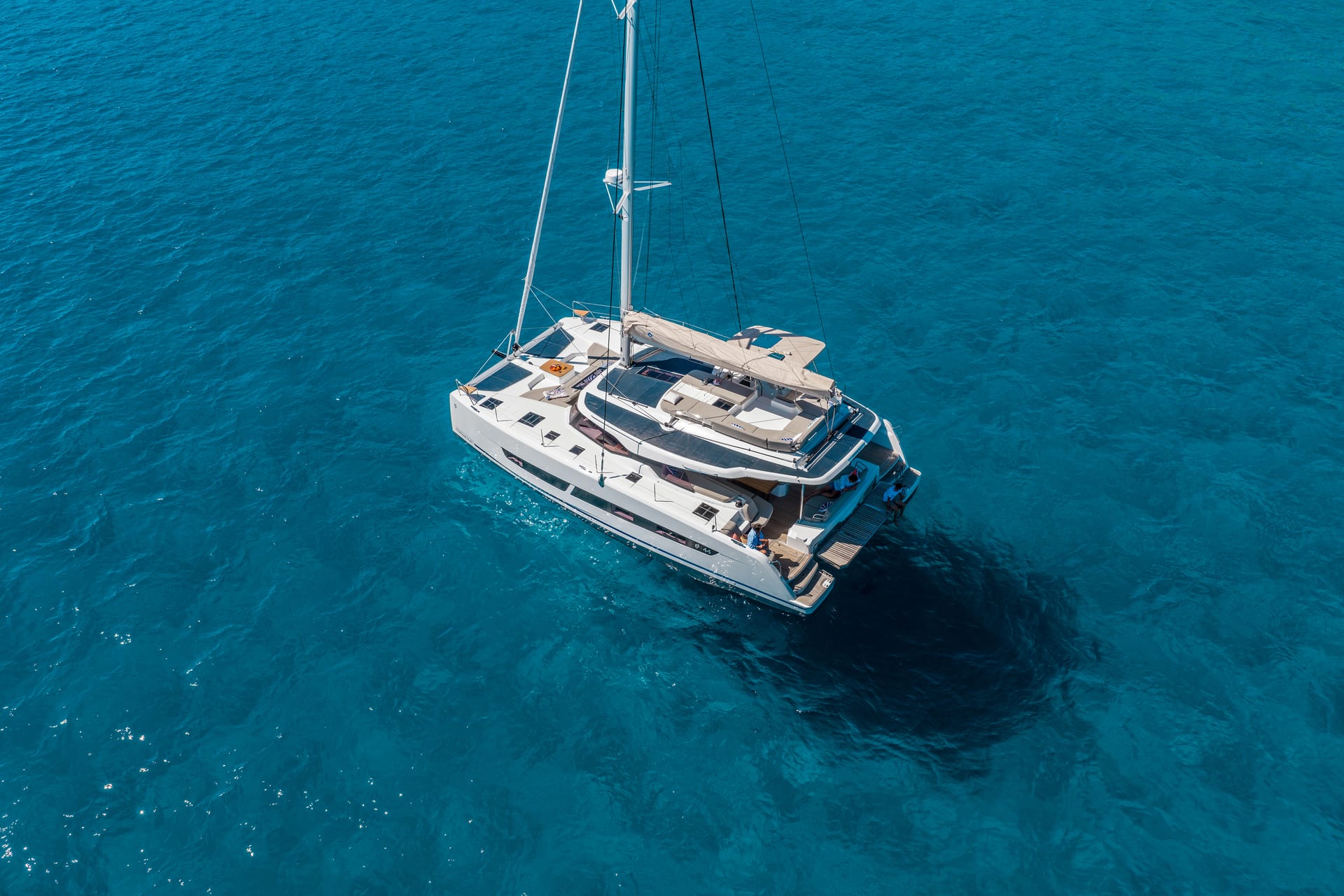
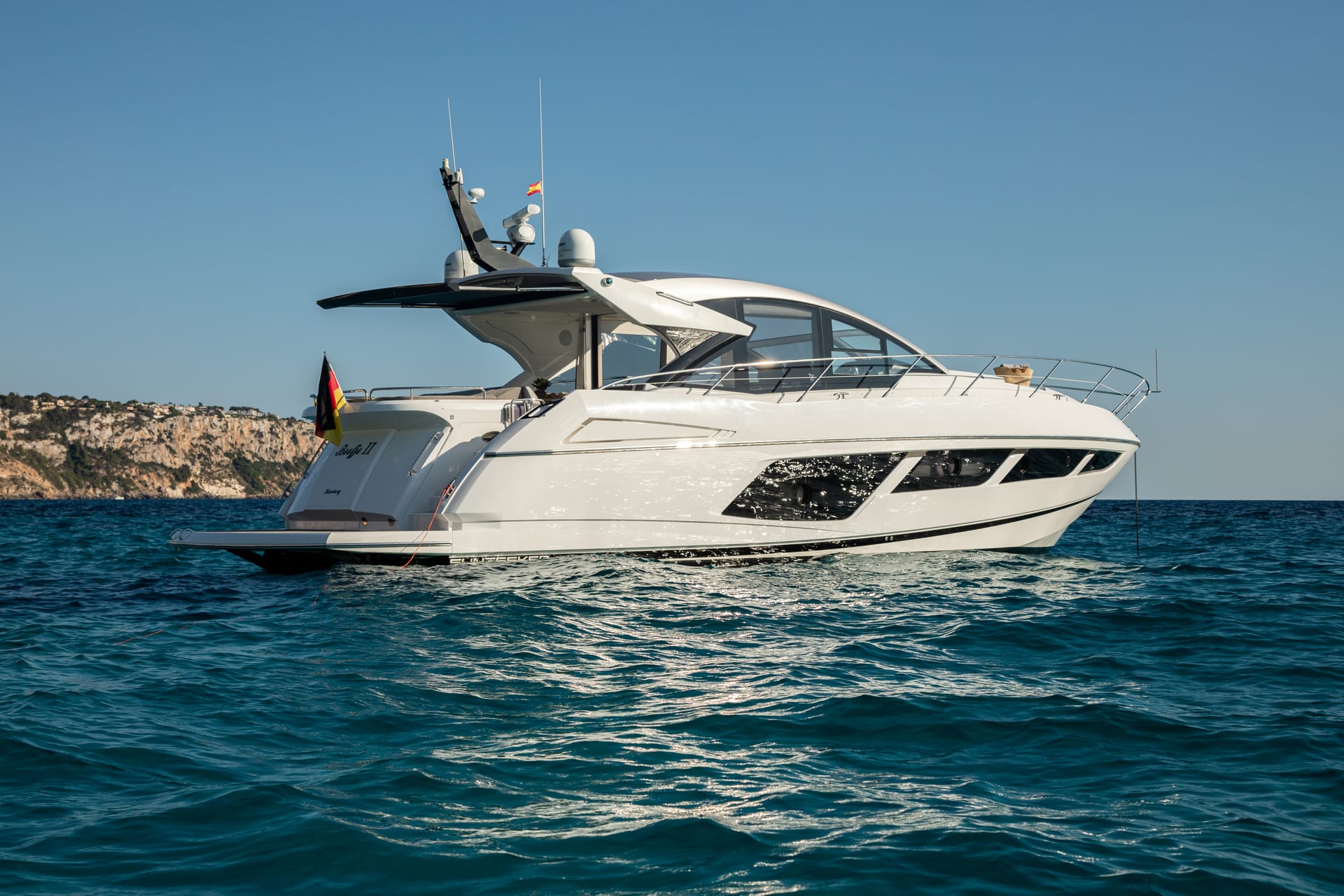
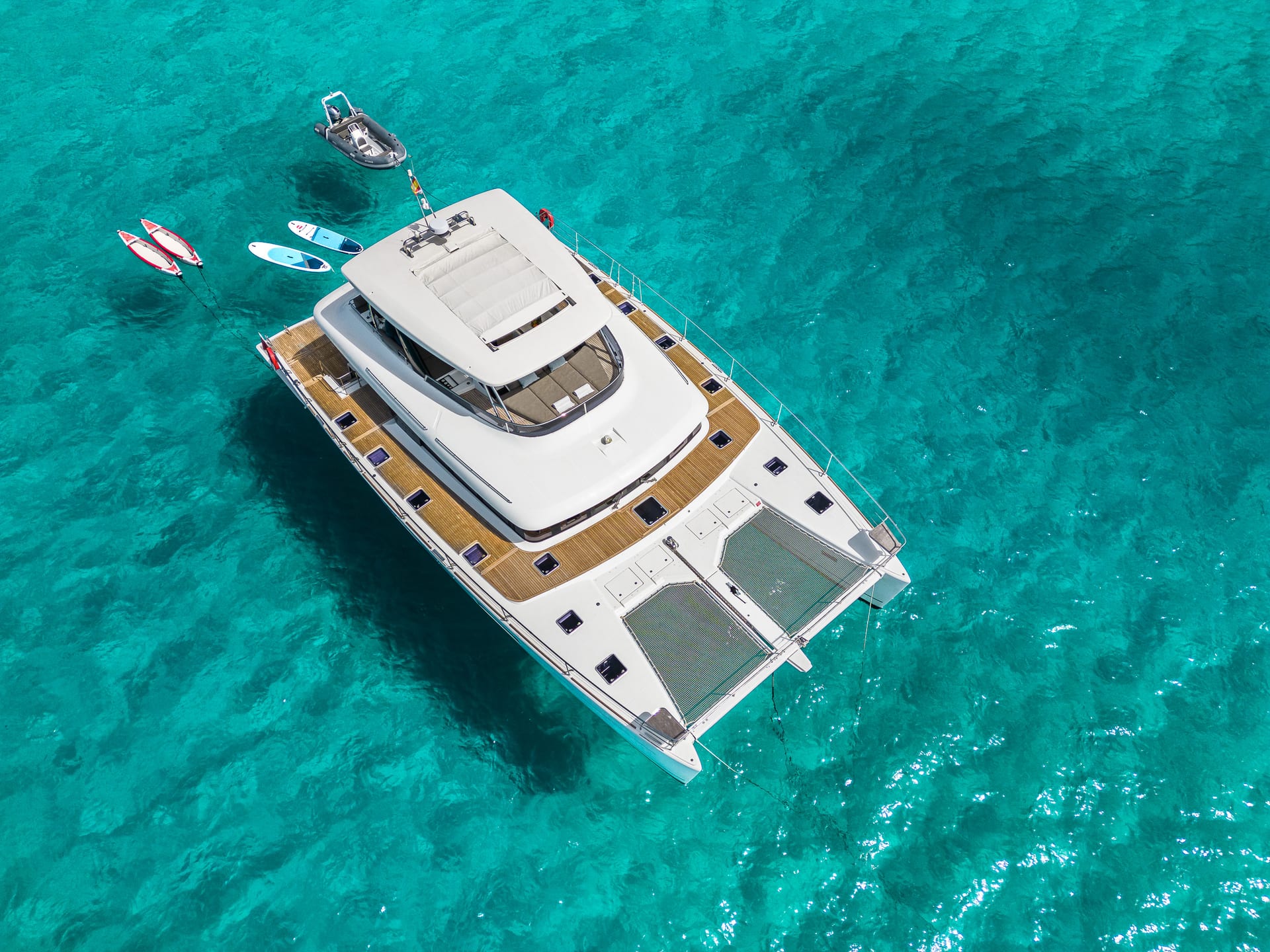
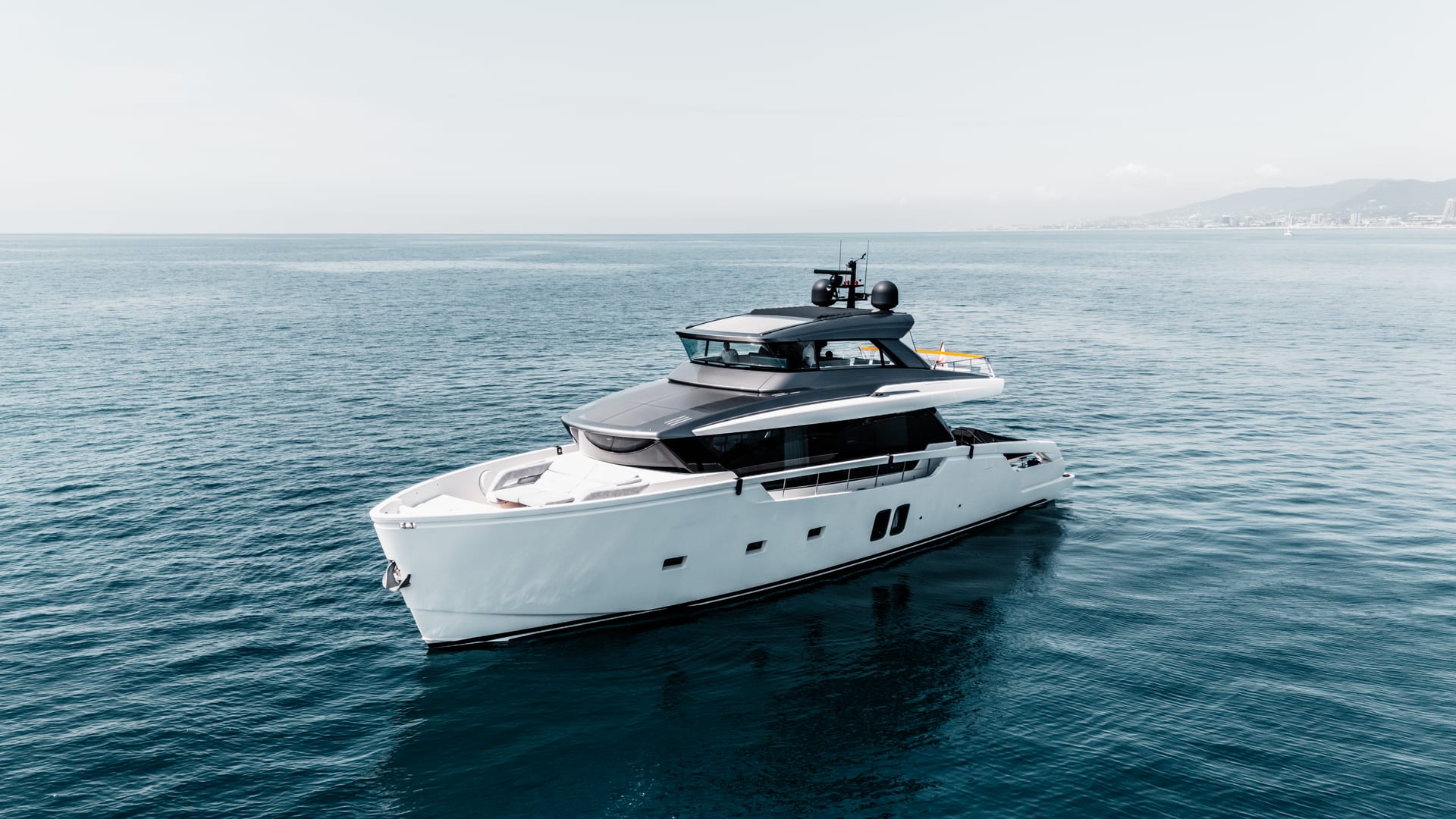
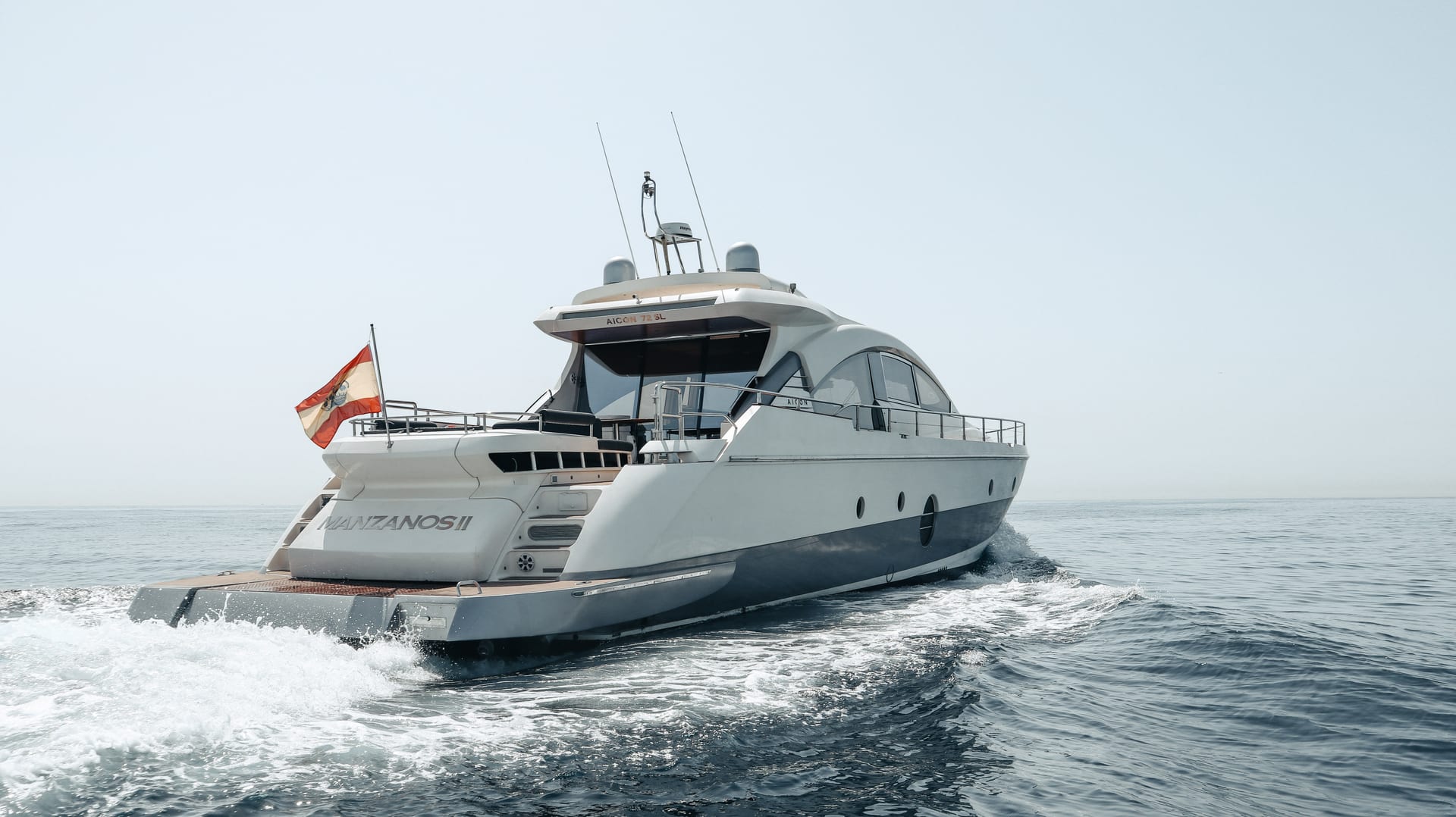
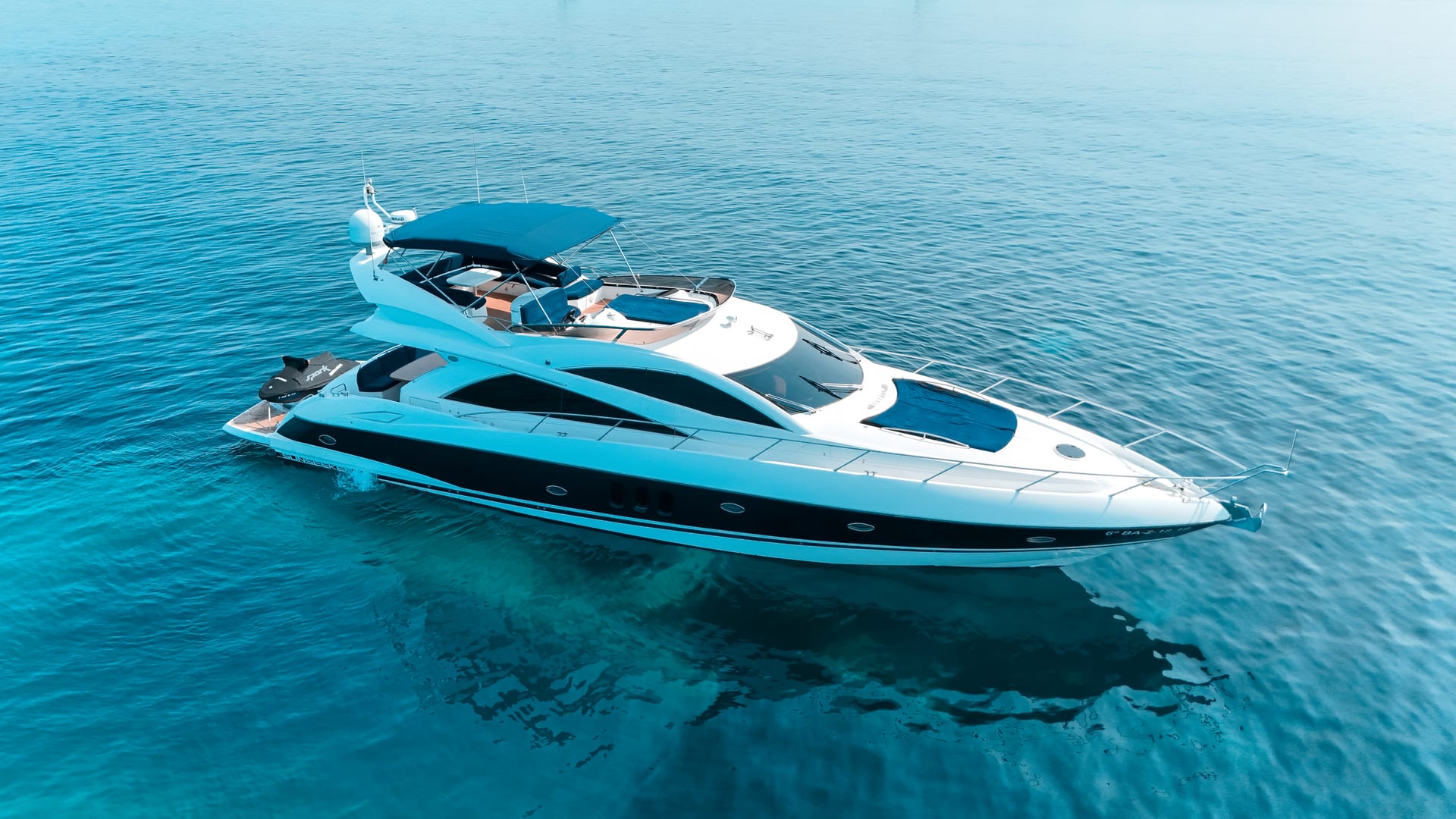
I see three typical profiles every season. Families and groups of eight to twelve people most often choose catamarans: plenty of deck area, a stable platform, separate cabins with their own bathrooms — the logistics get simpler and the friction gets less. Couples and small groups with high comfort expectations go for motor yachts between 50 and 70 ft — fast day destinations, air-conditioned cabins, a short hop from the harbour to the cove. Owner-drivers and experienced crews prefer sailing yachts, often on a bareboat charter — they want to handle the yacht themselves, not simply be carried along. Which option suits you doesn't come down to budget; it comes down to how you actually want to spend your time on the water.
Season, price and the real 2026 market
High season on Mallorca runs from mid-June to mid-September — the marinas are full, the crews are booked out, and weekly prices sit 25 to 30 percent above the low-season figures. If you have flexibility, go in May, June or September: the water is still warm enough for snorkelling, the harbours are quieter, and the prices are noticeably better. My concrete tip from ten seasons: the second week of September is reliably the best value-for-money window of the year. The main holidays are over, yachts are in lower demand, the weather is usually still settled, and the Bay of Palma empties out in the evening — almost like a private charter.
Price guide for week charters, excluding fuel and APA: small motor yachts under 50 ft start at around €18,000. Yachts between 60 and 80 ft typically sit between €35,000 and €80,000. From 100 ft up we're in the superyacht league — €100,000 to well over €250,000 per week, plus 25 to 30 percent APA. For a day charter, expect to begin at around €2,500 for a modern motor yacht including a skipper. You'll find a detailed read on the market, weather, choice of skipper and contract standards in my 2026 charter guide.
Marinas: where you cast off shapes your day
Puerto Portals is and remains the classic for yachts of 30 m and up — a short run to the Bay of Palma, excellent restaurants right on the quay, professional crews on site. Port Adriano has gained profile since the Philippe Starck redesign in 2012; calmer than Portals, with a core of first-class charter yachts and excellent service. Club de Mar and the Palma marinas are home to many large charters — right beside Palma, with first-rate shipyard access. For day trips heading north: Puerto Pollença or Sóller, quieter, with the advantage that the Tramuntana coast is within easy reach after only a short run. If you're after the sheltered western tip, you set out from Puerto Andratx; and for the quieter east-coast coves and the Cabrera National Park, Cala d'Or is the right choice.
Which marina is right for your charter is decided not only by the yacht, but by what you have planned. If you're planning a quiet family week around Cala Pi, Es Trenc and Cabrera, you're better off starting from the south. If you want to see the Tramuntana, Sóller and Sa Calobra, you gain half a day by casting off in Pollença rather than Palma. I go through this logistics question before every charter — usually on the phone, sometimes over an espresso in the harbour if you're already on the island.
Crewed or bareboat? An honest rule of thumb
A bareboat charter — driving yourself — is cheaper, feels freer, and is the right choice when you have the experience and self-manoeuvring matters more to you than comfort at the table. For yachts of 50 ft and up, and for week-long passages, I recommend crewed: the logistics of berthing in unfamiliar harbours, watching the weather, setting the anchor on steep ground, the catering — on holiday all of that is a burden, not a pleasure. With an experienced skipper and a hostess you get the holiday you pictured. With a full crew (captain, mate, hostess, chef) you get a restaurant, a hotel and a private captain in one.
I never take a yacht into my portfolio that I haven't seen myself. That isn't a marketing line — it's how I work.
How I work — and why it matters
Before every charter season I go and visit the yachts I'll be placing — I know the crews, the owners, the small quirks of each model. That means: when I recommend a particular yacht to you, I know whether the air conditioning in the saloon is noisy, how the aft deck behaves in a swell, whether the skipper speaks German or English, and whether the tender is genuinely practical. This depth of detail is no substitute for twenty glossy photos on a platform — but it's what makes the difference, in the end, between a good charter and an unforgettable one.
When you want to get specific, write to me: number of guests, preferred dates, profile (relaxed, active, family, friends, a business occasion), rough budget. I'll come back to you within 24 hours with three concrete options, with honest pros and cons for each. No sales pressure.
— Julian Hoeke